21When my soul was embittered,
when I was pricked in heart,
22 I was brutish and ignorant;
I was like a beast toward you.
23 Nevertheless, I am continually with you;
you hold my right hand.
24 You guide me with your counsel,
and afterward you will receive me to glory.
25 Whom have I in heaven but you?
And there is nothing on earth that I desire besides you.
26 My flesh and my heart may fail,
but God is the strength[b] of my heart and my portion forever.
27 For behold, those who are far from you shall perish;
you put an end to everyone who is unfaithful to you.
28 But for me it is good to be near God;
I have made the Lord God my refuge,
that I may tell of all your works.
Today I’m not going to write about John because of a crisis going on. I will not explain what it is about, but I thought of writing on one of my favorite Psalms – Psalm 73. This is mainly to help me as I write to focus my thoughts on God instead of the problems at hand, and I also pray this will be helpful to someone else.
Psalm 73 was written by a man named Asaph. The whole idea of the psalm is that upon seeing the comfortable lives that evil people lead, he began to despair of his love for God. He says in verse 12 that the evil are always at ease and increase in riches. He says in verse 13 that he has kept his heart and hands clean in vain! How many times have we perhaps felt the same way? “God, why is this bad thing happening to me if I love you? God, what’s the point in serving you if I suffer?? God, you could’ve prevented all these bad things, so why haven’t you???” In times of weakness we can be tempted to think this way. In times of weakness, all sorts of thoughts can run through our heads that cause us to doubt God’s goodness and his plans. But the turnaround in Psalm 73 occurs in verse 17. There, Asaph goes to God’s sanctuary. It is there, in light of spending time with God, that Asaph understands the foolishness in thinking that serving God is of no use. I wonder if that’s the place we run to when we encounter doubts and trouble…or do we run elsewhere?
In verse 21 until the end of the psalm, we see a big difference in Asaph’s thinking as compared to before.
21When my soul was embittered,
when I was pricked in heart,
22 I was brutish and ignorant;
I was like a beast toward you.
Asaph confesses his foolishness and error in thinking that loving God is without purpose. He humbles himself here. He says he was like an animal in his thinking – meaning without understanding. May we copy his humility when we begin to think wrongly of God and the purpose of loving him!
23 Nevertheless, I am continually with you;
you hold my right hand.
24 You guide me with your counsel,
and afterward you will receive me to glory.
25 Whom have I in heaven but you?
And there is nothing on earth that I desire besides you.
Isn’t it wonderful to know that God doesn’t cut us off even after mistakes (verse 23)? Asaph, despite his previous doubts, affirms that he still walks with God. This is one of the best aspects of the book of Psalms. Some start out with the writer in agony, despair, or depression, but we repeatedly see the same pattern of joy coming when the writer refocuses themself on God! God holds Asaph’s right hand. That is, God is guiding Asaph. He hasn’t let him go. Like a parent who holds their toddler as they walk down a busy street with them, so God continually guides us by the hand. God won’t lose his children. John 6:39 – “And this is the will of him who sent me, that I shall lose none of all those he has given me, but raise them up at the last day.” Jesus declares that he won’t lose those that have come to him in faith and have been born-again by his Holy Spirit.
And as for you, remember that God won’t lose you, he won’t leave you, even despite your many mistakes. If you belong to him, he has your hand. He is continually with you.
Verse 24 is a verse of assurance. There is no doubt in Asaph’s mind that God will guide him every day until one day God receives him in glory. God will guide Asaph until one day he gets to be with him in his presence. The same is true for every believer. God will guide us every step of the way until we’re with him. 1 Thessalonians 4:17 – “…and so we shall ever be with the Lord.” Heaven is just that – being with God. Enjoying God. As the Westminster Confession of Faith says, the chief end of man is to glorify God and enjoy him forever.
Verse 25 is one of my most favorite verses in the Bible. Here we see an expression of Asaph’s love for God. I think it’s near impossible to not see the parent-child imagery in Psalm 73. God holds Asaph’s hand, he guides him along, and he will bring him into his presence. And this love that God has for Asaph is reciprocated by Asaph. Asaph loves God. May all of us give back to God the great love he has shown to us.
“Whom have I in heaven but you?” No angel, passed away loved ones, or well-known believers of the past would satisfy Asaph’s desire. Asaph’s primary longing was for God himself.
“And there is nothing on earth that I desire besides you.” Nothing in heaven or on earth was more desirable to Asaph than God. What about for people of our age? Today, we have a lot more options to choose from to entertain us in this life. Compared to Asaph’s day and age we have movies, tv shows, more sports, casinos, bars, nightclubs, Youtube, etc. Maybe Asaph just desired God because he had less distractions to choose from. But this isn’t so. For a true believer, God will always be preferrable to anything else in heaven or on earth. A man or woman whose heart has been captured by God will always long for him above everything else.
26 My flesh and my heart may fail,
but God is the strength[b] of my heart and my portion forever.
Next is verse 26. He basically says that my body and mind may get weak, but God is my strength. Our bodies and minds can become weak at any age. Sometimes we weaken due to aging, other times it may be due to sickness or excessive stress. Sometimes we may hold out longer than others in strength, but eventually all of us weaken over time. We all share this common end. But remember this…God is our strength. Your body may be weak, but God never weakens. His strength never decreases! And not only that, he is our “portion” forever. He is ours. We belong to him, and he to us.
27 For behold, those who are far from you shall perish;
you put an end to everyone who is unfaithful to you.
28 But for me it is good to be near God;
I have made the Lord God my refuge,
that I may tell of all your works.
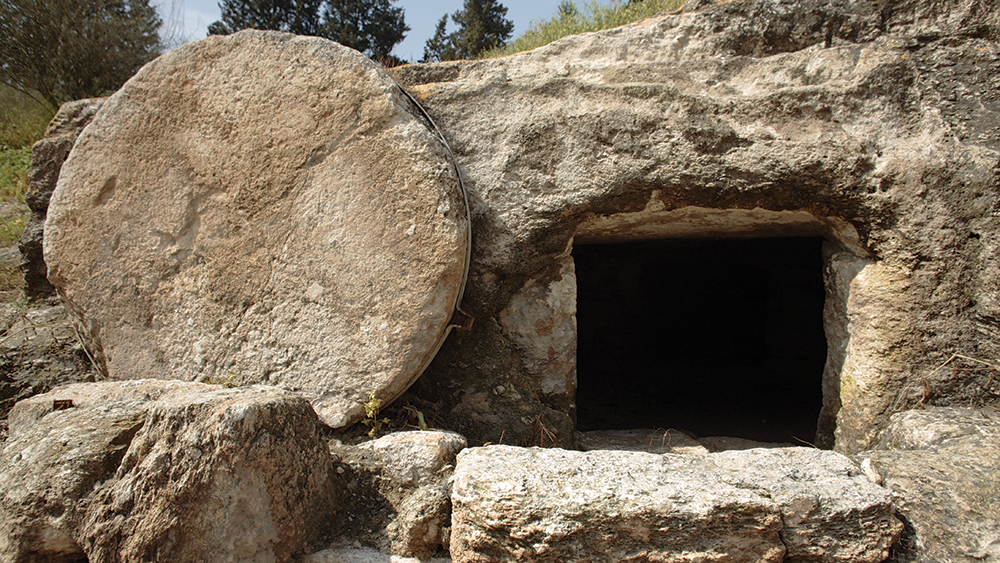
Here we see in verse 27 the lot of those who reject God. They will perish, they will be condemned…and rightfully so. We have no right to reject the one who gives us life and breath. When we reject God, we reject all that is good. But then we get to verse 28. We should all remember this… it is good to be near God. We may feel far from him in times of trouble, but let’s draw near to him. Lay aside your distractions and doubts. We may feel far from him, but remember above Asaph’s words – he is continually with us. And we see in the next phrase what Asaph means by being near God. God is Asaph’s refuge. God is the person Asaph goes to in trouble. But it’s more than that. The world in general can be a sad place, so we need a place where we can dwell to shelter ourselves from that. The picture that comes to my mind is like a person who has been lost somewhere outside for a long time in a constant storm. He is tired of the constant rain, wind and thunder. He then one day finds a safe cave to stay in to get away from this constant rain. He then realizes he will make the cave his new home because it’s not good to sleep outside and roam around all day in a storm. This is what God should be like to us. We all roam around in this world of sin and sadness. Sometimes we cause the sin and sadness, and sometimes they come about from things beyond our control. Where will we dwell? Will we continue to roam about in this sin-filled world where things like greed, theft, murder, addictions, jealousy, anger, lust, deceit, etc are the constant norm? Or will we run to this cave that we can finally call home?
As I finish, remember to refocus your thoughts on God when troubles come. Remember that even despite current difficulties, God is our strength. He is our portion. It is good to be near to God. He should be our highest desire. I’ve gotten to liking a number of hymns as I’ve gotten older. One that I’m always reminded of is where the chorus says, “Turn your eyes upon Jesus, look full in his wonderful face. And the things of earth will grow strangely dim in the light of his glory and grace.” That’s what Asaph did. He got his eyes off of the Lord, and things began to look very bad. Once he got his eyes back on his savior, he remembered how good God is. He remembered who he can run to.